
What Solitude in Nature Taught Me About Myself

Quick answer: Spending time alone in nature forces you to sit with discomfort, make your own decisions, and quiet a busy mind. Most people quit on the first day. But those who push through discover a deep, addictive sense of inner peace that builds self-trust, calms the nervous system, and reshapes how they see themselves.
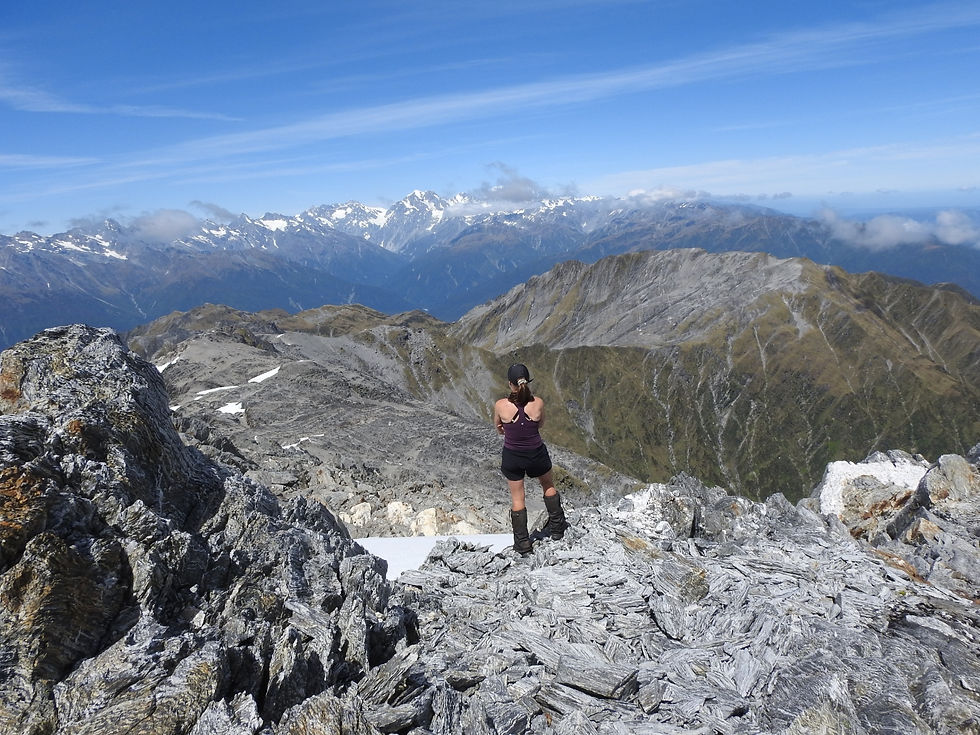
The first time I walked into the wilderness alone, I lasted about three hours before I wanted to quit. No music. No conversation. No notifications buzzing in my pocket. Just me, the sound of my own footsteps, and a silence so thick it felt like a physical presence.
I almost turned around. A lot of people do.
But something kept me walking. And over several solo multi-day trips since then, I've learned that the discomfort I felt on that first afternoon wasn't a warning sign—it was the doorway. On the other side of it lies something most of us rarely get to feel: true solitude, and the strange, addictive peace that comes with it.
This is what I wish someone had told me before my first trip alone.

Why silence in nature feels so uncomfortable at first
We're not used to being alone with our thoughts. Most days, we fill every quiet moment with a podcast on the commute, a phone in hand at the dinner table, a show playing while we cook. Solitude has become something we accidentally avoid.
So when you step into nature by yourself and strip all of that away, your mind doesn't relax right away. It gets louder. You start replaying old conversations, worrying about work, questioning why you thought this trip was a good idea in the first place.
That's normal. Silence feels uncomfortable because you're finally hearing everything you've been drowning out.
Why most people quit on the first day
The first day alone is brutal. Not physically but emotionally.
Your brain isn't used to the lack of stimulation, so it fights back. Restlessness sets in. Loneliness creeps up. You'll invent a dozen reasons to head home: the weather looks bad, you forgot something important, you're not really enjoying this anyway.
This is the exact point where most people give up. They mistake the discomfort of day one for proof that solitude isn't for them. They pack up, drive home, and never find out what was waiting just beyond that wall.
But the discomfort isn't a stop sign. It's a threshold. And crossing it changes everything.
What happens when you push through the discomfort
Somewhere around the second day, something shifts.
The mental noise starts to fade. Your thoughts slow down. You stop reaching for a phone that isn't there. And for the first time in what might be years, your mind goes quiet. Not empty, just calm.
This is true solitude. Not loneliness, but a rich, grounded sense of being fully present with yourself. You notice the small things: the way light moves through the trees, the rhythm of your own breathing, the taste of a simple meal after a long walk.
The discomfort that nearly sent you home transforms into something profound. And once you feel it, you understand why people keep coming back.
How making your own decisions builds self-trust
When you're alone in the outdoors, every decision is yours.
Which track to take. When to stop and rest. How to set up camp before dark. Whether that cloud on the horizon means rain. There's no one to defer to and no one to blame. You have to trust yourself.
At first this feels heavy. But each small choice you get right adds up. You realize you're more capable than you gave yourself credit for. You can read a map, ration your food, and stay calm when plans change.
That self-trust doesn't stay in the wilderness. It follows you home. After a solo trip, decisions that once felt overwhelming start to feel manageable because you've proven to yourself that you can handle hard things on your own.

How solitude in nature calms your nervous system
There's a physical side to all of this, too.
Modern life keeps many of us in a low-grade state of stress. Our nervous systems rarely get the chance to fully settle. But time alone in nature, away from screens and constant demands, gives your body permission to downshift.
Your breathing slows. Your shoulders drop. The tension you've been carrying, often without realising it, begins to release. Without the endless pings and to-do lists, your nervous system finally moves out of fight-or-flight and into rest.
That regulated, settled feeling is hard to reach in daily life. In solitude, it comes naturally.
Why inner peace becomes something you chase
Here's the part no one warns you about: the peace you find in solitude is addictive.
Once you've felt that quiet calm, the kind that comes from within, not from anything outside you ordinary life feels a little noisier by comparison. You start craving the silence. You count down to your next trip. You find yourself seeking out moments of solitude even in your everyday routine.
It's a good kind of addiction. You're not chasing a high or a distraction. You're chasing a version of yourself that's grounded, clear, and at ease. And the more you return to it, the easier it becomes to carry that peace back into normal life.
As the writer Maxime Lagacé put it: "Solitude helps you find peace. Peace helps you find happiness." Once you experience that chain reaction for yourself, you'll understand why solitude stops feeling lonely and starts feeling essential.
Start small, then go further
You don't need a week-long expedition to feel the benefits of solitude in nature. Start with a solo afternoon walk with no headphones. Then try a full day. Even a night alone under the stars if you feel comfortable enough. There are many leadership courses that provide the opportunity for spending twenty four hours alone in a camp-site, specifically for its benefits to confidence and self-trust.
Expect the first stretch to feel uncomfortable, that's the point. Push past the urge to turn around, because everything worth finding is on the other side of that wall. The quiet mind, the self-trust, the deep peace: they're all waiting for anyone willing to sit with the silence long enough.
Pack a bag. Pick a track. And give yourself permission to be alone. You might just meet a version of yourself you've been missing.
Frequently asked questions
Is it safe to go on a solo trip in nature?
Solo trips can be safe with the right preparation depending on where in the world you are. Choose a route that matches your experience level, tell someone your plans and expected return time, carry a map and a way to call for help, and pack enough food, water, and warm layers. Start with shorter, well-traveled trails.
How long does it take to feel the benefits of solitude in nature?
On shorter trips, even a few hours of screen-free time alone can help you feel calmer and more present.
Why is the first day of a solo trip the hardest?
The first day is hardest because your mind isn't used to the lack of stimulation. Without distractions, restlessness and loneliness surface quickly, and it's tempting to head home. Pushing through this discomfort is what leads to genuine solitude and peace.
What's the difference between solitude and loneliness?
Loneliness is feeling disconnected and wishing you weren't alone. Solitude is choosing to be alone and feeling grounded and at peace with it. The same quiet can feel like either one—the difference is your relationship with it.


Comments